Tag: child health

Let’s Talk About ECD, Baby!

For a long time, those of us working the field of early childhood development (ECD) have been talking about its importance—particularly in the birth to age three range. And for a long time, it’s seemed as though we were the only people talking about it. Finally, though there is enough evidence that others are starting to not only talk, but to take action – fund projects, research, etc. Finally!

The Lancet Journal, one of the world’s most respected medical journals, just released another two papers on early childhood development. What they found resonates so deeply with HHI’s mission and vision it’s incredible.

UNICEF released this video about the debate regarding early childhood development. A few key things stand out:

1)  The return on investment in early childhood development is huge! Outcomes later in life are directly linked to experiences in a child’s first few years so reaching children before they are put on the wrong trajectory is crucial.

2)  We can make a difference by offering comprehensive programs (early learning, nutrition, health) with simple messages rather than data and ideas that most of the world’s caregivers’  don’t have the time, resources or knowledge to apply. Amazing validation for HHI’s work! This is exactly what we do! HHI is hands-on, interactive and assumes no resources or even literacy.

3)  There needs to be a dramatic shift in thinking—No more service silos. There needs to be cross-sectoral integrated services that work together on the issues of poverty reduction, health, early learning and nutrition. Narrow, vertical programs do not work!

4)  The papers also note the importance of the maternal support that this type of service provides, especially related to maternal depression. One of the reported outcomes from mother’s who receive HHI training is that they are more confident in their parenting skills. Confident mommies are healthier mommies!  They also report feeling more connected and supported in their community after their HHI group trainings – another factor that helps to lift marginalization and thus depression.
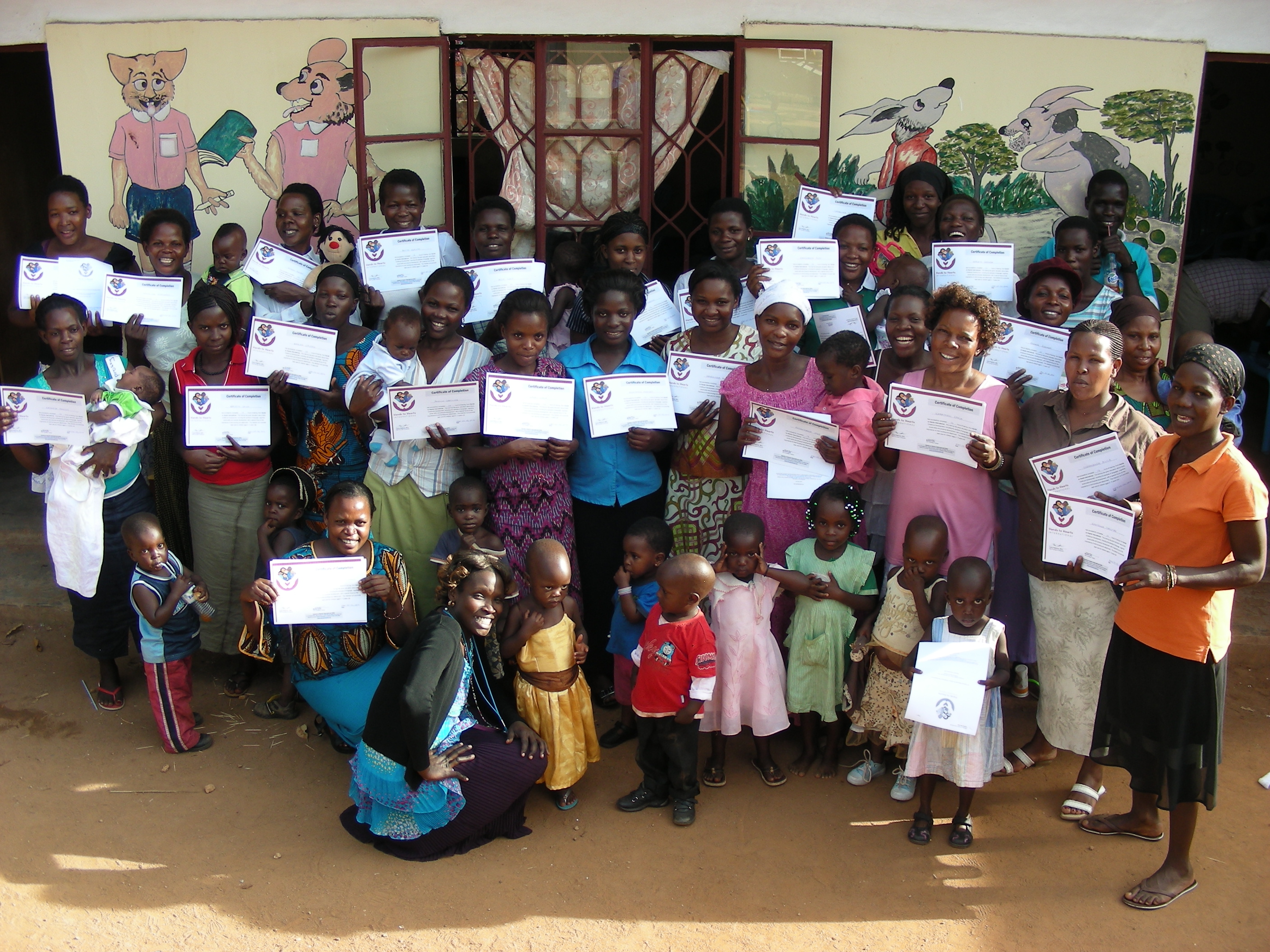
Coaching parents and providing them with support is crucial to supporting the developing child. “This is extremely important not only for a child’s development but also for a child’s survival,” said Dr. Nurper  Ulkuer, chief, early childhood development unit, UNICEF.

“Radical change is the only way we’re going to tackle this problem.” Dr. Richard Horton, chief editor, The Lancet. Governments and international agencies need to bridge services and work together in order to create the necessary change to truly change the world. What can you do? Keep talking about this issue! Continue the conversation on the importance of ECD and how it is the solution to so many problems.

“Every child has the right to develop to her or his fullest potential and to contribute fully to society. Our responsibility to pursue this goal is just as clear.”—Anthony Lake, UNICEF

We agree, wholeheartedly!
Be Inspired ~ Voices From the Field

Read about HHI’s work and impact, from three different perspectives, from three different continents.

Our thanks to the women who shared their stories and to Laura Barker for capturing and writing them and Kara North for putting them into such a beautiful publication!

If you would like a copy of this booklet, please email us your name and mailing address. We would be happy to mail copies for free within the US.

Baby Tracy Gets Relief

Here is a story from HHI’s colleagues in northern Uganda on the simple power of knowledge and how that led one baby to have a MUCH better day!

Written by Harriet, of Medical Teams International in Lira, Uganda:

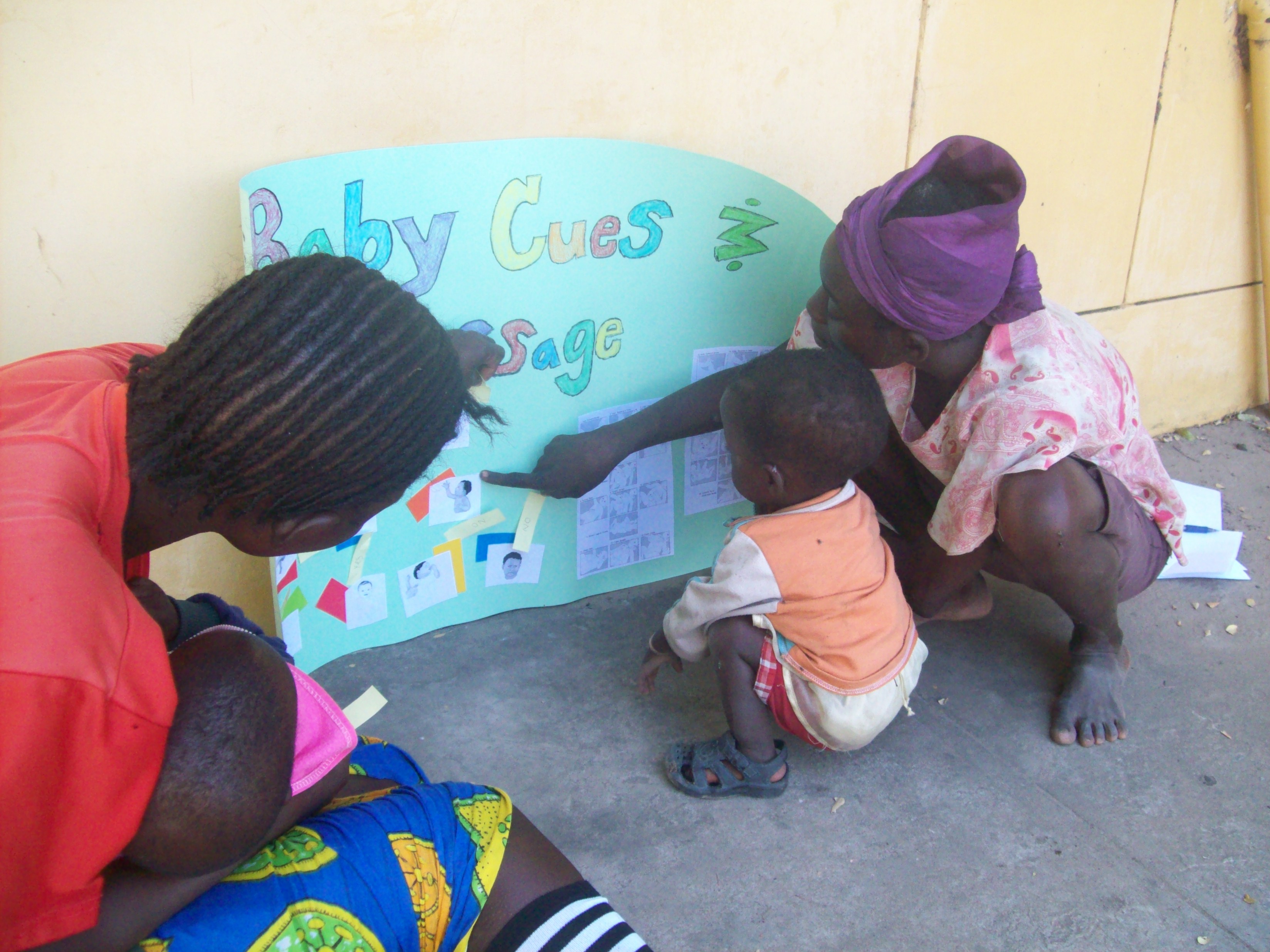
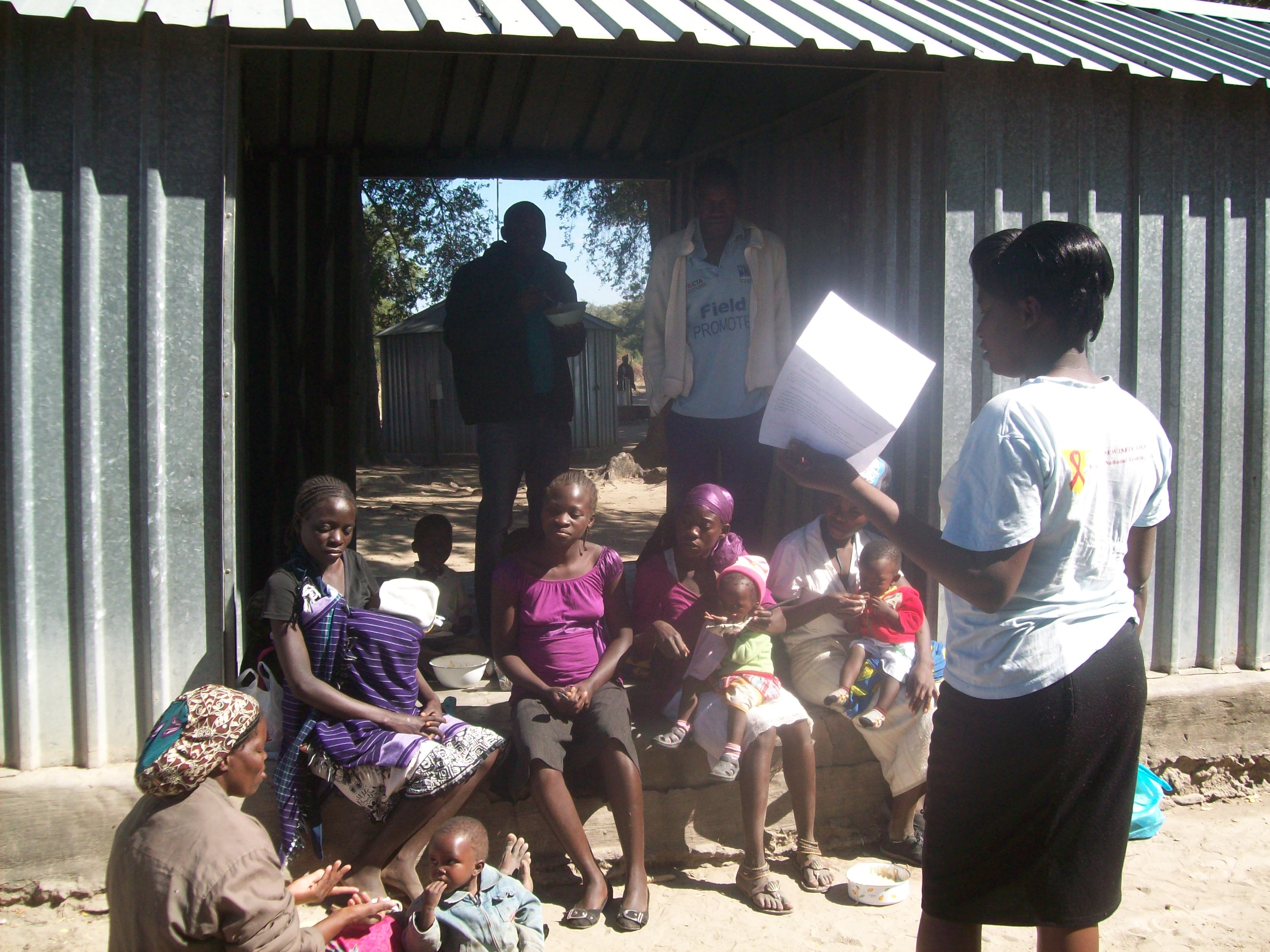
Our field team was working with the health worker from Ogur Health Center as they led a workshop for mother’s about immunizations. We were then called upon to sensitize the mothers to early childhood development and we taught the well loved topic and practice of Baby Massage.  On hearing the importance of Baby Massage on babies who find it difficult to pass stool regularly, one mother whose baby’s name is Tracy raised her hand to inquire whether this would apply to her baby’s situation, the baby had spent two days crying because of stomach pains caused by inability to pass out stool. The mother was frustrated with all her efforts to manage the case by giving her daughter tomato juice as her neighbors advised, among so many other home remedies.


I simply assured her to observe what would happen from the baby massage.  We improvised a soft “bed”, I prepared the baby and started stroking her with some vegetable oil.  I started massaging Tracy’s legs, calling out her beautiful name, reached to the arms and softly to the stomach.  In all the strokes she beamed with smiles to the loud laughter from all the observers who could see little Tracy’s joy and comfort and could hear her farting each time I did the tummy strokes on her belly! When I handed her back to her mother, she was cried to come back to me.  The mother dressed her up and by the time it was Tracy’s turn for immunizations she had started to pass stool. The mother said that this was a miracle and asked why she did not know this before.  The mothers have proved this to be a very interesting and practical cure, with no side effects.

We are happy to hear that Tracy and her mother both found such relief!


ARNEC Publishes Research on HHI

The Asia-Pacific Regional Network for Early Childhood (ARNEC) just published its research on HHI’s work in India, titled “Empowering Caregivers for Holistic Child Development”. (Click for report)

Their findings are overwhelmingly positive, including quotes such as HHI “holds great potential” teaching caregivers “new practices of nutrition and hygiene, new attitudes towards child development, and improvements in cognitive and linguistic abilities.”  It praises HHI on being able to localize our content and reach the most marginalized, tribal groups, while also being extremely cost-effective.  And, it goes on at length describes how and why HHI works so well for so many.

In 2010, ARNEC chose HHI as one of four sites to document innovative and noteworthy practices in early childhood. HHI was selected out of applications from throughout the Asia-Pacific region and was the only program chosen in all of India for this privilege.

We give our deepest thanks to ARNEC for this opportunity, to Miriam Thangaraj the dedicated researcher, to our tremendous colleagues at Viswa Yuva Kendra in Orissa, India, and to our brilliant curriculum writers Christine Chaille and Frank Mahler.

What Happens After HHI?

I have returned to Uganda and I have had the pleasure of meeting up with more than 40 of Hands to Hearts’ graduates. I am always eager to conduct follow up interviews with those who have participated in HHI’s training on early childhood development. What have they remembered? And what difference has this had in their lives and the lives of their children?

When asked, “Since the HHI training, is there a difference in how you spend your time with your children? If yes, could you please describe/explain how?” The women and the men described with great enthusiasm and pride that they now make more time, all through the day, to spend with their children. There was the overwhelming response of decreased physical discipline (“not beating my child anymore”), increased awareness and understanding of the child’s communication. The parents are feeling much more confident in how to respond to their child, and they are more at ease in caring for them. Again and again, it was reported that they feel they have developed a more loving bond with their child and their children are responding positively.


The children of HHI’s graduates are more likely to seek out the company of their parents and feel safer with them. The parents are now consciously trying to create loving bonds with their children, they give baby massage, play games, tell stories and spend time singing to their children. One mother reported that because she learned that her baby was learning language before he could speak, she spent more time talking and singing to her baby. The outcome she noticed is that her child now has a larger vocabulary than other children his age.

We also ask HHI graduates if they have made changes in health practices. This is surprisingly one of the most popular sections of HHI’s training. Parents report significant improvements in nutrition, hygiene and sanitation practices and they quickly notice that their children are sick less often and gain more weight.

When asked if anyone else has noticed changes in actions of our HHI graduates, again we hear very noticeable and positive outcomes. They report that both their children and their neighbors have noticed. The children are found to be discussing these changes amongst themselves and they now seek out and enjoy spending more time with their parents. The neighbors have observed that the HHI graduates are calmer, more gentle and nurturing with their own children and the children in the community, so much so that some of the neighbors now call them “Grand” (like Grandparent) as a term of respect and in recognition of their loving manner with all of the children. Many of these neighbors have approached the HHI graduates, asking them what they are doing and why. Now HHI is overwhelmed with requests for more and more training.

Let the love flow!

Special thanks to Christine Chaille, Frank Mahler who created HHI’s brilliant training materials with the input of our fabulous India team, led by Sujatha Balaje. You have touched the lives of tens-of-thousands of babies with more love.